Download “Understanding Allergies: Introducing Allergens to Infants" Now!
Allergic reactions happen because the human body mistakes something harmless for an intruder. Which means that the world is full of possible allergens.
However, some particular allergens are more common than others. And introducing these allergens at a very young age- usually between the ages of 4-6 months- has been shown to reduce the risk of allergy later in life.
Once introduced, if well tolerated, these allergens should be ingested regularly in order to maintain tolerance.
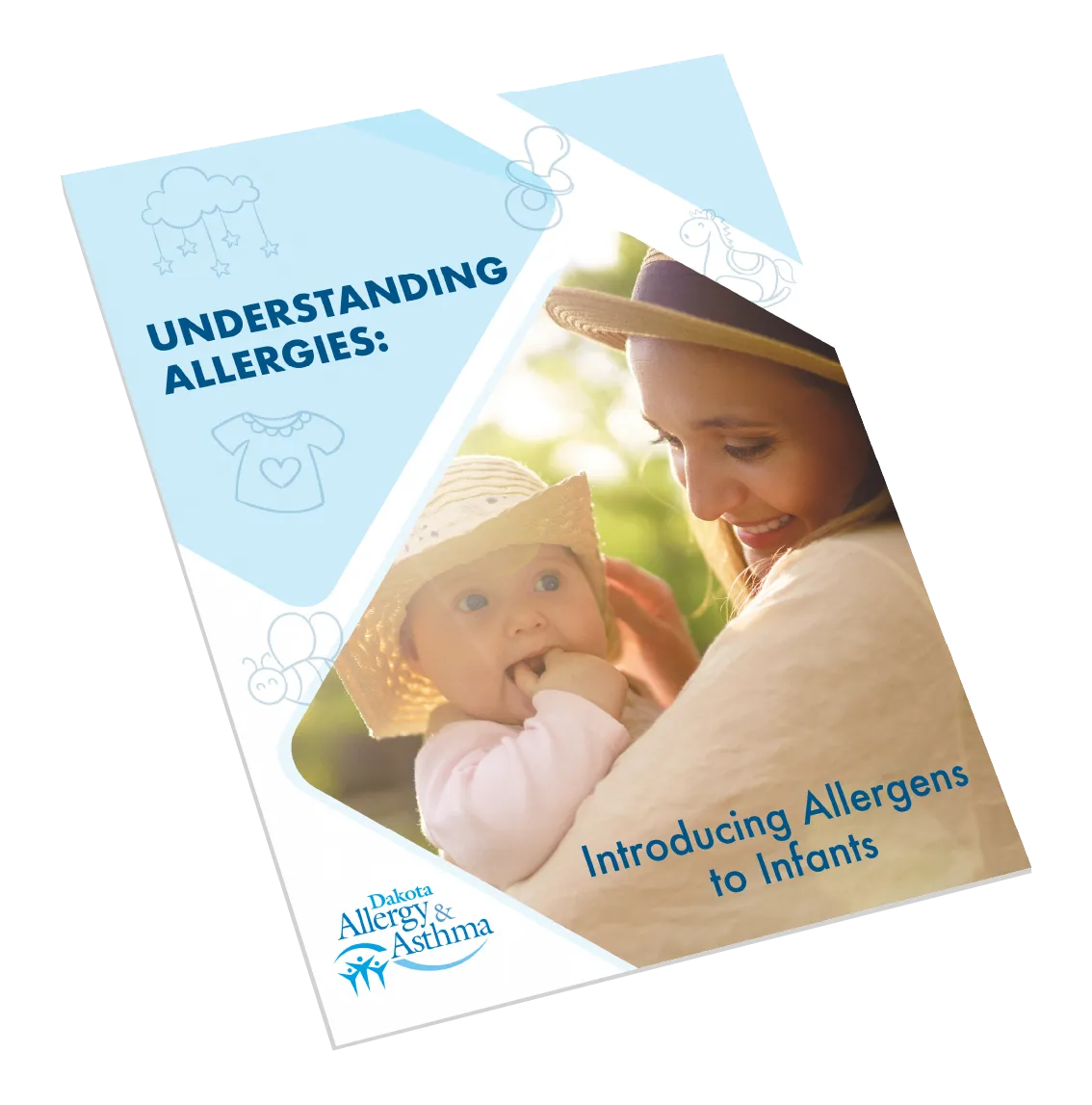
How to Introduce Allergens to Infants
Not surprisingly, many parents have questions about how they should introduce allergens to their babies. In this free, downloadable resource, you’ll discover:
● When you should start introducing allergens (and why).
● The safest methods to use when introducing allergens.
● Which allergic reaction types might be minimized by early introductions.
● What an allergic reaction looks like.
● What to do if an allergic reaction happens.
Knowing how to introduce allergens can help keep your baby safer and happier.
If you have any questions about allergic reactions, make sure to consult with an allergist or your child’s pediatrician.
With these helpful resources, you'll find useful tips on how to understand your symptoms, explore treatment options, and take clear steps toward lasting relief.
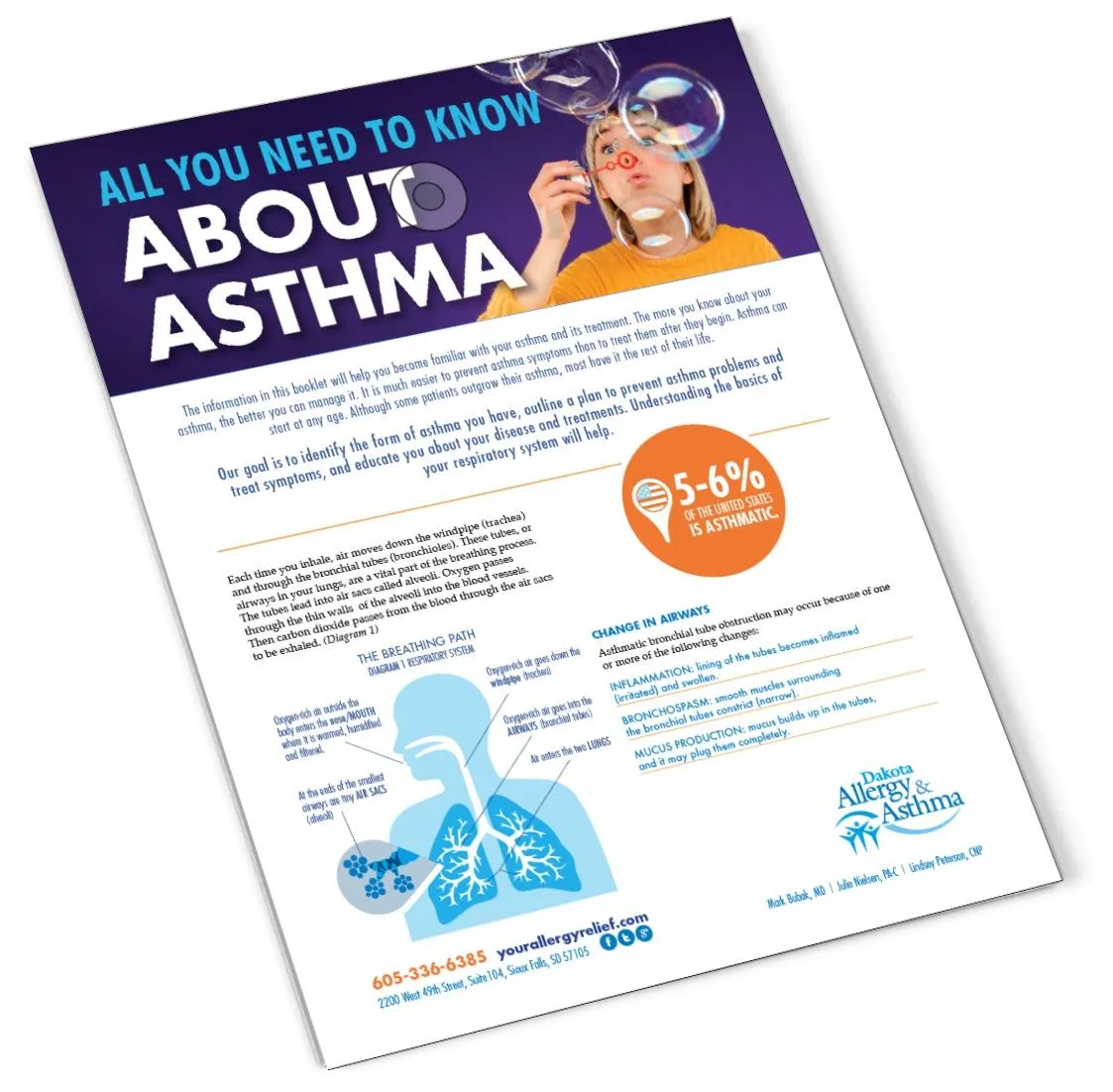
Become more familiar with your asthma and its treatment because the more you know, the better you can manage it.
A Six Food Family Avoidance Diet for Eosinophilic Esophagitis, provides complete meal plans to eliminate potential allergens.
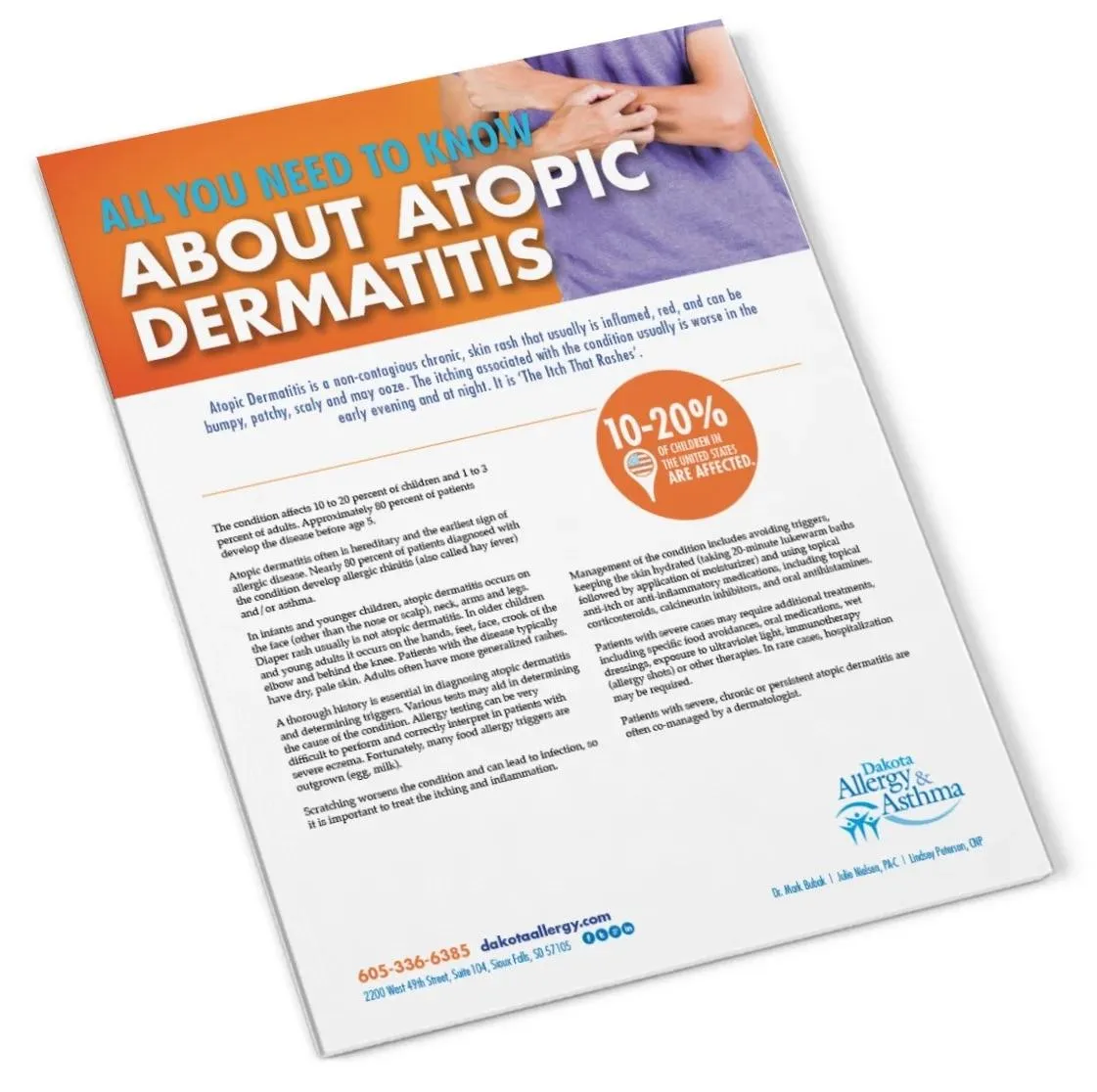
This resource on Atopic Dermatitis provides helpful tips on how to manage this often frustrating condition.

Wondering if it’s time to see a specialist?
Board-certified allergists Dr. Bubak and Dr. Durón are here to help!

Download Our Resource!